By Fehintola Esther
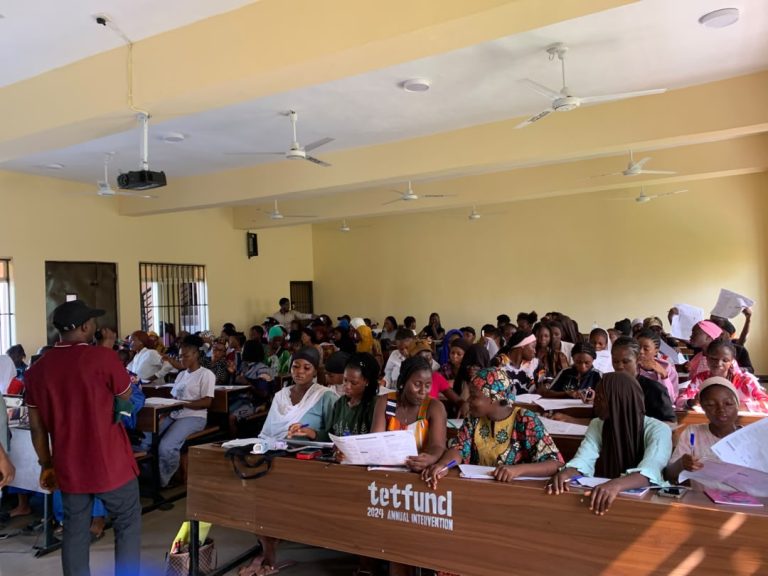
Across many campuses, student politics is often dismissed as noise, rivalry, or a rehearsal for chaos. But inside the Assembly Hall of The Polytechnic Ibadan on May 13, 2026, a different argument emerged, one that presented student leadership not as performance, but as preparation for governance, policy, and national relevance.

At the centre of the Student Legislative Summit, SLS 2026, organized by the Students Representative Council, SRC, was a pressing question: can students move beyond protests and begin shaping policies that directly affect their future?
The summit, themed “Student Rights and Representation: Your Voice, Your Power,” drew student leaders, campus stakeholders, and political figures into conversations that challenged the traditional understanding of activism on campus. Rather than glorifying confrontation, speakers repeatedly returned to one idea: structure.
Delivering the keynote address on Promoting Education Reform: Empowering Student Voices Through Legislative Action, Senator Oloyede Feranmi Victor, the 46th Chief Whip, warned that emotional reactions alone cannot drive institutional change.

“Noise can attract attention, but structure will definitely create change,” he said.
According to him, many students desire reform but fail to understand the mechanics of policy engagement. He stressed that undocumented ideas rarely influence decision makers, urging students to begin translating demands into action.
“The moment you are not ready to document your proposals, you are not ready for reform,” he added.
His remarks appeared to resonate strongly with participants, especially in an era where social media outrage often overshadows organized advocacy. The summit repeatedly pushed students toward a more deliberate model of leadership that is rooted in negotiation, policy literacy, and accountability.
Senate President, Senator Ebun Ibukunoluwa Ayomikun, reinforced this direction while addressing attendees. He described the gathering as more than a ceremonial event, insisting that policies affecting students’ welfare, finances, and opportunities should no longer be discussed without student participation.

The conversation around leadership took another dimension when Leader Afenifere Yusuf challenged the widespread belief that campus politics is merely a distraction from academics.
Speaking on “Is Campus Politics a Training Ground for Leadership or a Waste of Time?” he argued that the campus remains one of the few environments where young people can experience responsibility, public criticism, negotiation, and service before entering national politics or corporate leadership.
“A leader is not known by the sound of their voice but by sacrifice,” he said.
His statement reflected a recurring concern throughout the summit, that many aspiring leaders pursue popularity rather than impact. Speakers warned against reducing leadership to titles, campaigns, or online visibility, insisting instead on service and competence.

The summit also exposed the growing connection between campus leadership and broader political influence. Chairman of Oyo State Local Government, Honorable Akeem Ademola, disclosed during his address that he had employed hundreds of students from The Polytechnic Ibadan, encouraging students to remain connected to their roots while preparing for opportunities beyond the school walls.
Beyond speeches and debates, the atmosphere blended politics with culture. Student entertainers, including comedian Agbari and Elewi Omidan Akewi, added moments of relief that reflected the vibrancy of campus life, while awards and recognitions celebrated student leaders and institutional supporters who have contributed to student representation.

Several senators, executives, and dignitaries were honoured for their service, including Honourable Akeem Oga Ademola, Students’ Union President Fagbemi Nurudeen Ọjọ, as well as past and present legislative officers of the institution. Miss Bakare Temitope, representing the Senate President of Tai Solarin University of Education, also received recognition, further highlighting the growing collaboration among student legislative bodies across institutions.

Yet, beneath the applause and commendations, the summit carried a deeper message: the future of student representation may depend less on loud resistance and more on informed participation.
As the event drew to a close, Senator Stephen Fiyinfoluwa advised aspiring student politicians to begin serving before seeking office and warned against academic dishonesty among campus leaders.
The summit ultimately revealed a changing culture within student politics at The Polytechnic Ibadan, one increasingly focused on governance, policy engagement, and leadership development rather than mere political theatrics.
For many students present, the gathering was not simply another campus programme. It was a reminder that representation carries responsibility and that the voices shaping tomorrow’s institutions may already be learning how power works today.
About The Author