By: Rose Ismail
Eid al-Adha, popularly known as Ileya, is one of the most important festivals celebrated by Muslims across the world. The festival reflects the values of sacrifice, obedience, faith, and devotion to God.
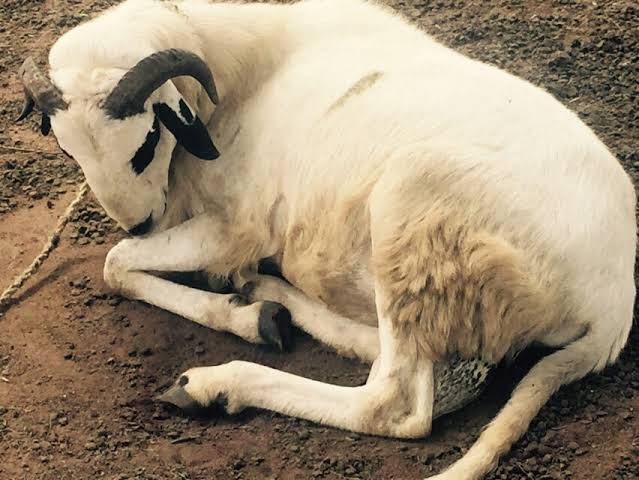
The celebration is connected to the story of Prophet Ibrahim, whom God commanded to sacrifice his son as a test of faith and obedience. Prophet Ibrahim willingly obeyed the instruction, but before the sacrifice could take place, God replaced his son with a ram through an angel. Since then, Muslims commemorate Eid al-Adha by sacrificing rams, goats, or cows as a symbol of faith, sacrifice, and submission to God.
On the day of the celebration, Muslims wake up early to attend Eid prayers at designated prayer grounds. After the prayers, families, friends, and relatives gather together to celebrate the festive season. Many people travel from different states to reunite with their loved ones. Food and meat from the sacrificed animals are shared among neighbors, friends, and the less privileged.
Before the slaughtering of the animals, prayers and Arabic recitations are offered as part of the spiritual significance of the sacrifice.
Beyond the celebration, Ileya teaches important lessons about unity, kindness, love, and obedience to God. It is a joyful period that strengthens family bonds and brings people together regardless of distance or background.

During an interview at one of the Eid prayer grounds, Alhaji Busari Ismaila Adesina explained the significance of the Ileya festival. According to him, the celebration reminds Muslims of Prophet Ibrahim’s unwavering obedience to God despite the difficult test he faced.
He further explained that sacrificing a ram is not compulsory for Muslims who cannot afford it. According to him, Islam does not place hardship on anyone, as only those who are financially capable are expected to perform the sacrifice. He emphasized that the essence of the celebration lies more in faith, gratitude, and obedience to God than in the slaughtering of animals.
Speaking on the current economic situation in Nigeria, Alhaji Busari advised people not to isolate themselves during the festive period because of financial difficulties. He encouraged those who may not be able to afford a ram to still celebrate with family, friends, and neighbors in the spirit of togetherness.
He also urged Nigerians to remain prayerful and stay close to God, stressing that nobody knows what tomorrow holds. According to him, seeking God’s guidance in all aspects of life is important, especially during challenging times.
Alhaji Busari further encouraged Muslims to extend kindness and generosity to everyone, irrespective of religion or background. He noted that sharing food, love, and happiness with both Muslims and Christians promotes peace, unity, and mutual understanding within society.
In another interview, Bilya Umaru, a fruit seller, described Eid al-Adha as a period of gratitude, sharing, and sacrifice. According to him, people who are financially capable buy rams or other animals to appreciate God’s blessings and celebrate the occasion.
He explained that the slaughtering of animals during Ileya depends on an individual’s financial ability and is not compulsory for everyone. He added that fathers, as heads of families, usually perform the sacrifice while younger family members learn the practice and its significance over time.
Bilya Umaru also noted that Ileya is marked by prayers, sharing of meat, visits to family and friends, and acts of generosity toward the less privileged. He advised Nigerians to use the occasion to spread love, kindness, and unity within their communities.
Indeed, Eid al-Adha remains a significant festival that continues to strengthen faith, promote sacrifice, and encourage peaceful coexistence among people.
About The Author